How to Make Learning Fun: 5 Simple Strategies for Primary School Childre
.
How to Make Learning Fun: 5 Simple Strategies for Primary School Children
1. Use Educational Games
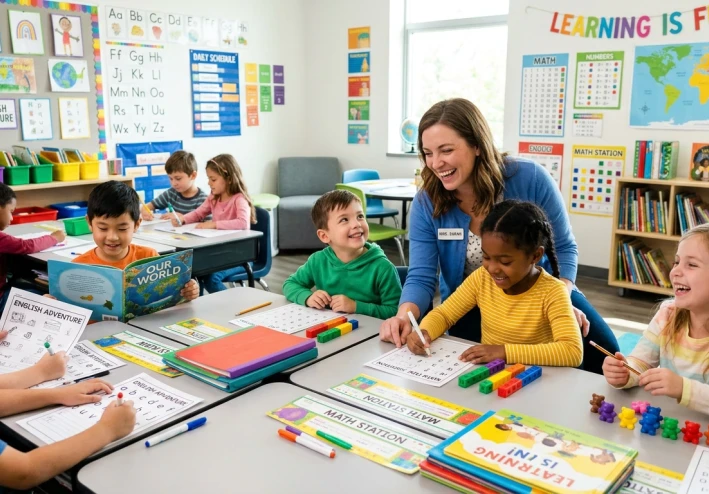
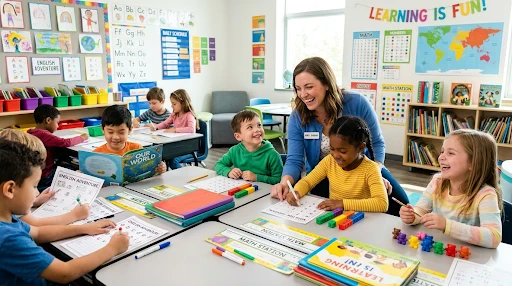
Educational games are one of the best ways to encourage learning. Children naturally enjoy playing games, and teachers can use this interest to teach important skills. Math games, word puzzles, and memory activities help students practice what they have learned while having fun. Games also encourage teamwork, communication, and problem-solving skills.
2. Include Hands-On Activities
Children learn more effectively when they can interact with learning materials. Hands-on activities allow students to explore concepts through experience. For example, teachers can use blocks to teach counting, create simple science experiments, or encourage students to make crafts related to a lesson. These activities help children understand ideas more clearly and remember them for a longer time.
3. Create a Positive Learning Environment
A positive classroom environment can greatly improve a child’s learning experience. Children should feel comfortable asking questions and expressing their ideas. Teachers can encourage students by praising their efforts and celebrating their achievements. When children feel supported and valued, they become more confident and willing to participate in classroom activities.
4. Use Visual Learning Resources
Visual materials are very effective for young learners. Pictures, charts, flashcards, videos, and colorful worksheets help explain concepts in a simple and engaging way. Many children remember information better when they see it visually. Using a variety of visual resources can make lessons more interesting and help students stay focused.
5. Connect Learning to Everyday Life
Children often ask why they need to learn certain subjects. Connecting lessons to real-life situations helps them understand the importance of education. For example, math skills can be practiced while shopping, and reading skills can be improved through stories, signs, and everyday conversations. When children see how learning applies to their daily lives, they become more motivated to learn.
Benefits of Fun Learning
Making learning enjoyable has many benefits. Children are more likely to participate in class, complete assignments, and develop a positive attitude toward education. Fun learning activities can also improve creativity, critical thinking, and social skills. Most importantly, they help children build confidence and develop a lifelong love of learning.
The Role of Parents in Learning
Parents play a significant role in supporting their children’s education. Reading together, helping with homework, and encouraging curiosity can make a big difference in a child’s academic journey. Even small daily activities such as discussing a story, practicing simple math problems, or exploring educational games can strengthen learning skills. When parents and teachers work together, children receive consistent support and motivation, which helps them achieve better results and develop greater confidence in their abilities
Conclusion
Learning does not have to be boring. By using educational games, hands-on activities, visual resources, and real-life examples, teachers and parents can create enjoyable learning experiences for children. When learning is fun,students become more motivated, engaged, and successful
both inside and outside the classroom