
In this article
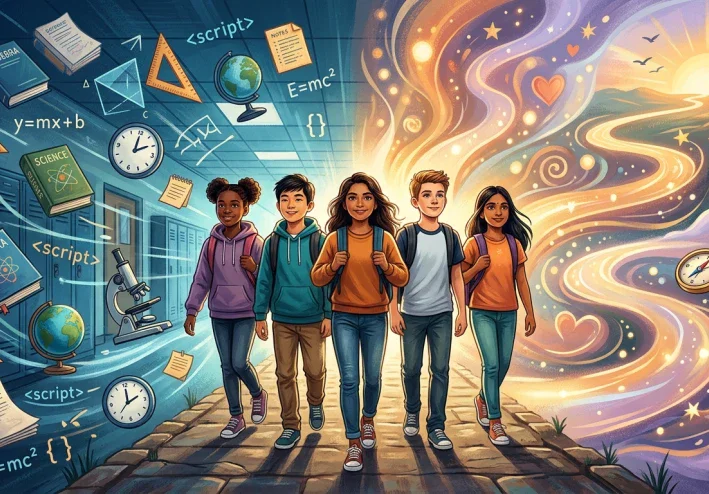
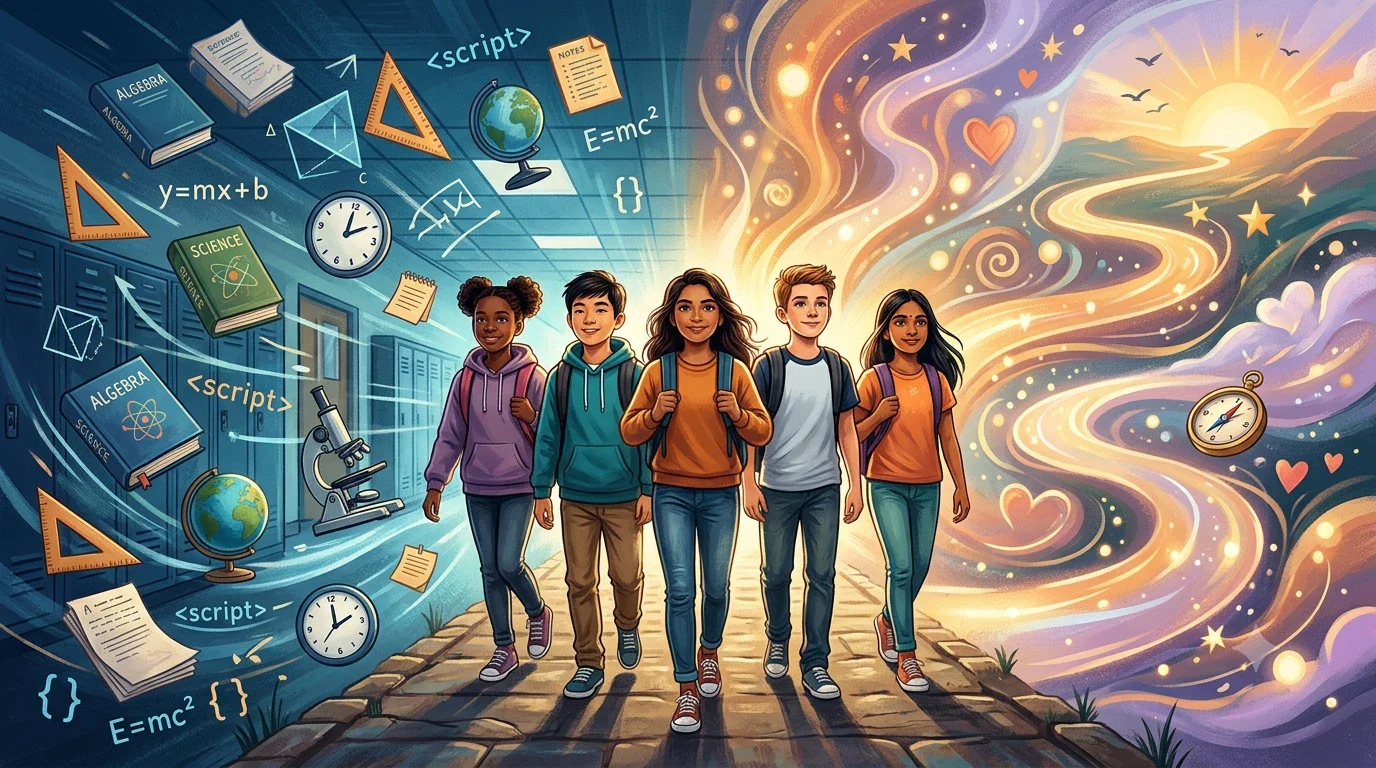
Middle School: The Bridge of Transformation and Shaping the Future
Introduction
Middle school (or intermediate school) is considered one of the most critical transitionSchool: The Bridge of Transformation and Shaping the Futureal periods in a person's life. It is not merely a link between early childhood in elementary school and the maturity of high school; rather, it is the stage where the features of identity and an independent personality are formed. During this period, students undergo rapid changes encompassing physical, psychological, cognitive, and social aspects, making it both a major challenge and a great opportunity at the same time.
Psychological and Social Challenges
Students enter middle school waving goodbye to childhood innocence and beginning their search for self and independence. During this time, the influence of peers and friends on their behaviors and decisions increases, and the desire to belong to youth groups becomes an urgent need. This transformation is accompanied by sharp mood swings resulting from hormonal changes, which requires special understanding from the family and social environment to avoid clashes and psychological disorders such as anxiety and low self-confidence.
Academic and Cognitive Shift
From an educational standpoint, middle school education differs radically from elementary school. The scope of academic subjects expands and deepens, as students are introduced to the principles of complex sciences, advanced mathematics, and intensive languages. Relying on rote memorization and cramming is no longer effective; instead, critical thinking, analysis, and self-reliance in studying become the essential tools for success. This shift requires students to organize their time and develop new study skills to cope with the pressure of continuous exams and assignments.
The Role of Family and School in Support
Crossing this stage safely requires a genuine partnership between home and school. Parents must abandon close surveillance and replace it with conscious dialogue and building bridges of trust, giving adolescents a calculated space of freedom to make decisions and bear their consequences. On the other hand, educators within the school environment must focus on the educational and psychological aspects alongside academic achievement, by providing a safe learning environment free of bullying, and encouraging extracurricular activities such as sports and arts, which help students channel their energy and discover their talents.
The Digital Chapter: Middle Schoolers and the Social Media Era
In today's digital age, the personality of middle school students faces a unique challenge: full openness to social media platforms. At this critical age, adolescents tend to compare their lives with a virtual, idealized, and often fake reality, which can shake their self-confidence or expose them to cyberbullying risks. Here, the role of digital awareness becomes inevitable; students must be taught how to use the internet safely, manage screen time, and transform technology from a tool of waste and distraction into a means for self-learning and skill and talent development.
Emotional Intelligence: The Forgotten Self-Leadership Skill
While schools often focus on academic grades, there is an urgent need to develop "emotional intelligence" in middle schoolers. A student's ability during this stage to understand their fluctuating emotions, name their fears, and control outbursts of anger or frustration is the real weapon for future success. When teenagers learn how to empathize with others and manage conflicts resiliently, they build psychological immunity that protects them from life's pressures.
Report this article
Tell our review team about a problem with this content. Your details will not be shown to the author or other readers.
Your report could not be sent. Please try again later.
Sign in to report an article







Discussion
comments (0)
Share a perspective. Start a thoughtful conversation.
please login to be able to comment