The Ultimate Guide to Mastering a New Language in 2026
The Ultimate Guide to Mastering a New Language in 2026
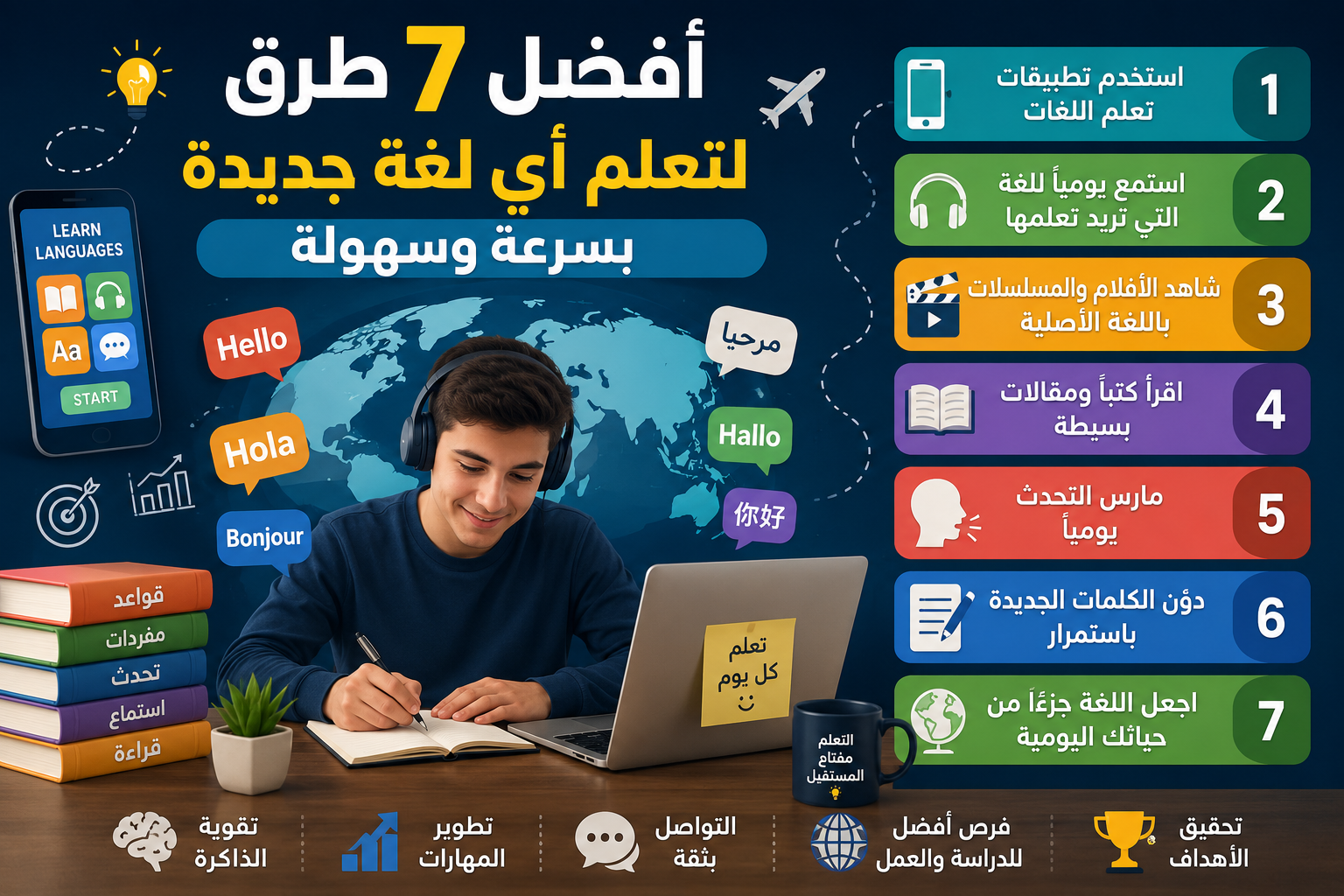
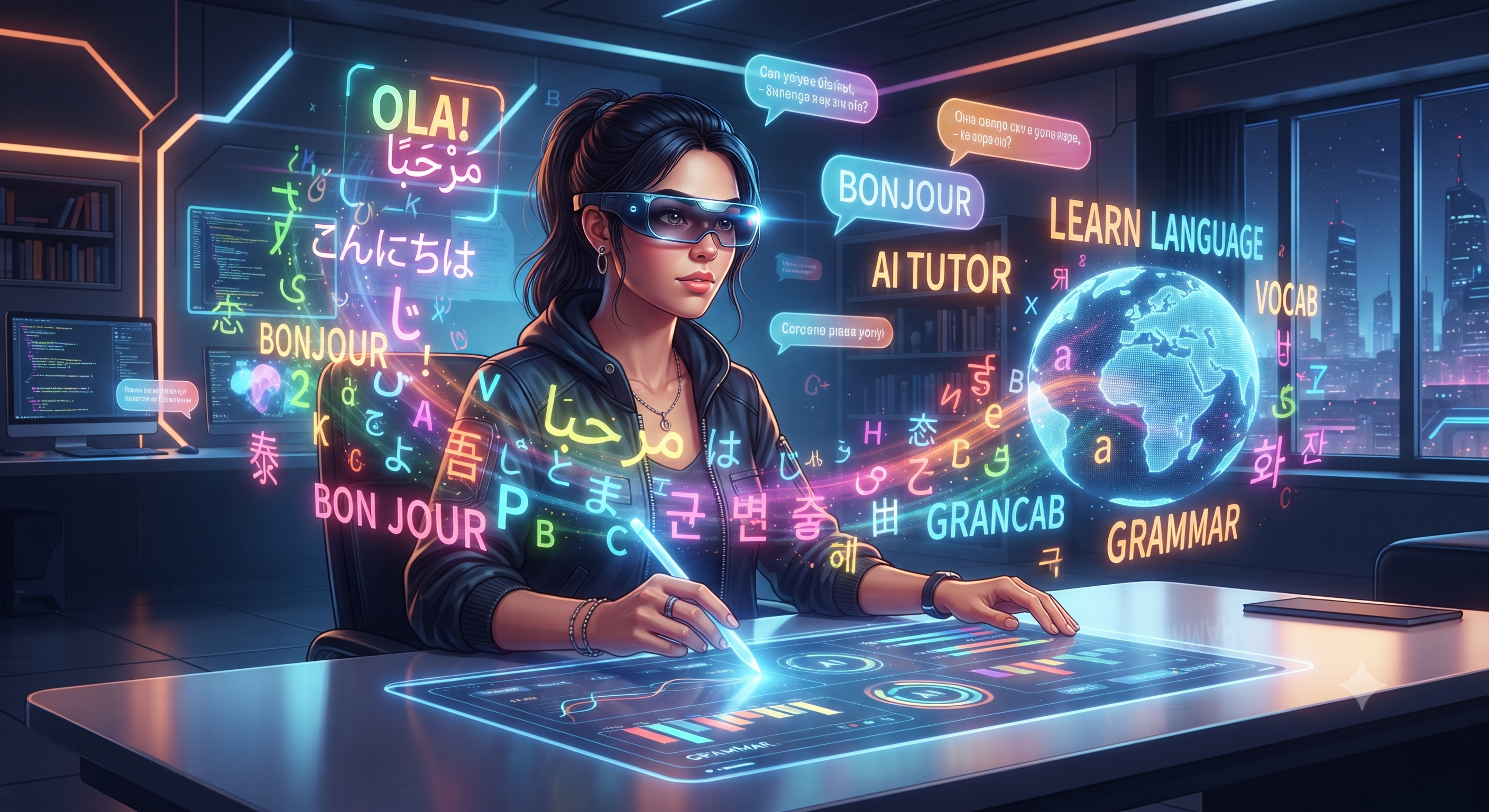
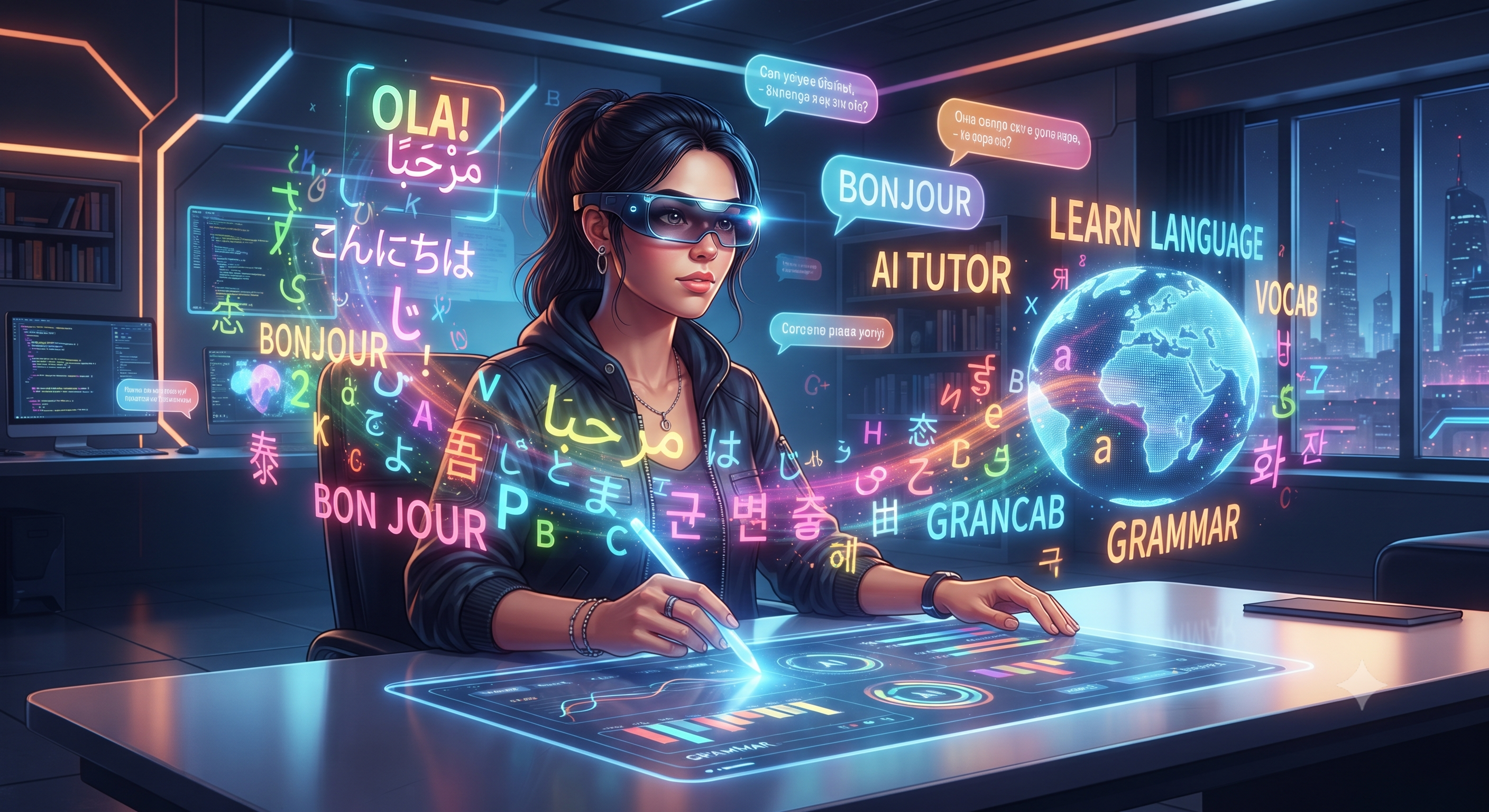
In a fast-paced world where geographic and virtual boundaries constantly blur, learning a new language is no longer just a casual hobby to pass the time; it has become an essential strategic skill in the modern job market. As of 2026, the methods of acquiring languages have undergone a radical transformation thanks to generative artificial intelligence technologies, mixed reality apps, and adaptive learning platforms that deeply understand how your brain works. If you dream of unlocking new opportunities, connecting with diverse cultures, or advancing your career, this article lays out a realistic and proven roadmap to achieve your goal efficiently and without wasting time.
1. Leveraging Artificial Intelligence as Your Core Learning Engine
The era of mindlessly memorizing grammar tables and vocabulary lists is officially gone. In 2026, you can rely on sophisticated, 24/7 AI companions to practice conversation with you without any awkwardness or fear of making mistakes.
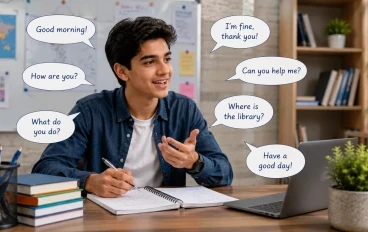
Real-time Interactive Conversations: Use voice and text assistants to chat in realistic scenarios—such as ordering food at a restaurant or negotiating a business deal—while receiving instant feedback on your pronunciation and grammar.
Smart Personalization: AI analyzes your weak points in vocabulary or grammar and generates custom exercises specifically tailored to close those gaps, cutting out the wasted time spent studying material you don't actually need.
2. Adopting "Immersive Learning" and Smart Entertainment
The best way to learn a language is to live inside it. Even if you cannot travel right now, you can bring the linguistic environment directly into your room:
Changing Device Settings: Start by switching the language of your smartphone, computer, and favorite apps to your target language. This forces you to interact with it throughout your day.
Conscious Entertainment Consumption: Listen to language-learning podcasts on your commute, and watch movies and TV series with dual subtitles, or transition to target-language-only subtitles once you pass the beginner level.
3. Spaced Repetition and Balancing the Four Skills
Reading alone is not enough, nor is listening on its own sufficient to achieve true fluency. You must rely on a careful balance between the four language skills (reading, writing, listening, and speaking):
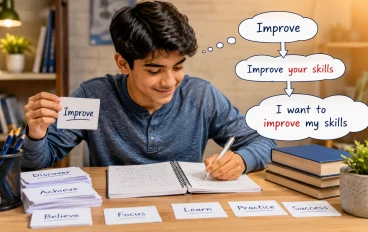
Relying on Smart Flashcards: Using apps driven by spaced repetition algorithms, such as Anki, ensures you review words at the optimal moment right before your subconscious mind lets them fade.
Daily Micro-Writing: Start by writing a small paragraph every day describing your day or thoughts, and ask AI tools to review and correct it so you can learn from your mistakes immediately.
4. Commitment and Psychological Resilience: Breaking the Fear Barrier
The biggest obstacle for any language learner is not difficult grammar, but the fear of making mistakes or facing embarrassment.
Breaking Down Goals: Instead of setting a massive, intimidating goal like "I will become fluent in a month," make your goal "I will learn five new words and have a two-minute conversation every day." Simple, daily consistency beats sporadic cramming.
Embracing Imperfection: Always remember that speaking fluently comes only after thousands of mistakes. Make mistakes your companion on the learning journey rather than a cause for frustration.