
في هذا المقال
Mastering English: The Ultimate Guide to Fluent Communication in the Modern World
- In a connected global economy the ability to speak, read and write English fluently has changed from a useful addition to a must-have skill. English is the language used in international business, scientific research, academic publishing, digital technology and global entertainment. Whether you want to move your career study in another country travel with ease or meet people from different backgrounds mastering English opens up a lot of personal and professional opportunities that would not be available otherwise.
Many people who learn a language struggle for years to go from basic grammar to real fluency. The secret to learning a language is not about memorizing rules or doing repetitive exercises; it is about using a smart approach that puts English into your everyday life. This complete guide explains the ways, tools and mindset changes you need to become fluent in English quickly and more effectively
1. Stop Focusing on Grammar:
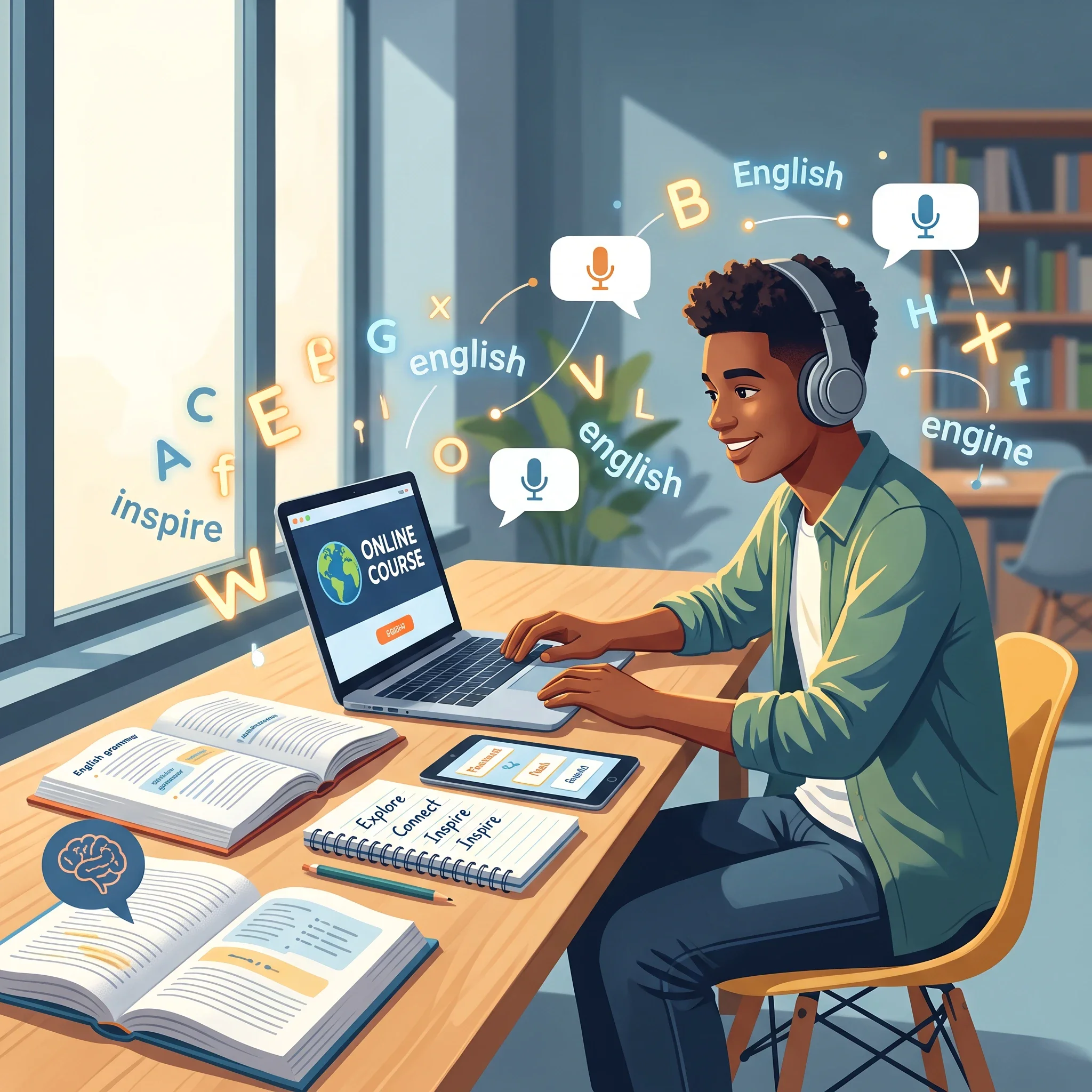
Focus on Input and Immersion One of the problems for students who learn a language the traditional way is spending too much time thinking about grammar before they try to speak or listen. Basic knowledge of grammar is important. The real way people learn a language is by being exposed to language that they can understand a little bit but not completely.
To get the most out of this kind of learning you need to use both listening and active listening. Quiet listening helps your brain get used to the way the language sounds while you do things. Active listening means paying attention to parts of the language like sentence structure, word choices and common expressions.
Practical Ways to Immerse Yourself in English:
1 ) Listen to Audio: Replace radio and podcasts with English ones that match your interests, like technology, history, personal development or crime.
2) Choose Smart Content: Watch movies TV shows and documentaries in English with subtitles. Never use subtitles in your language. This helps your brain connect the sounds of the language to the words on the screen.
3) Practice Shadowing: Listen to a clip from a native speaker stop it and say what you heard right away. Try to copy the tone, pitch and way they speak.
2. Use Digital Tools and New Technology
We are living in a time when language learning's easier than ever. Artificial intelligence, mobile apps and online platforms can create an immersion experience anywhere.
Use Spaced Repetition Tools: Use flashcard apps like Anki or Memrise. These tools use computer programs to show you words just before you are about to forget them. This helps you remember the words for a time.
Talk to AI Language Partners: Use AI assistants to practice conversations. You can ask the AI to help you act out situations like job interviews discussing money or chatting at a coffee shop. This gives you help without worrying about making mistakes.
Use Browser Extensions and E-readers: Add a tool to your browser that lets you click on a word and get a definition or translation. This helps you learn words while reading news, articles or books.
3. Train Your Brain to Think in English
A big problem for people who're not beginners is the habit of translating in their head. When you hear English you translate it into your language think of a response and then translate it back. This makes it hard to speak quickly. Changing this habit is important to speak
To stop translating start by naming objects in your surroundings in English. When you get comfortable try talking to yourself in English as you go through your day. Say things like "I'm making my morning coffee now and then I will check my schedule for today." Over time your brain gets used to using English without thinking in your language.
4. Create a Daily Routine That Works
Fluency does not come from studying for a few days. It comes from regular habits. Small actions over time are better than efforts that happen once in a while. Here is a simple daily plan that helps you stay on track:
- Learn New Words and Read (15 Minutes a Day): Read a blog, article or book chapter. Find least five new expressions or phrasal verbs and save them in your flashcard app.
- Listen and Practice Pronunciation (20 Minutes a Day): Listen to a podcast while you are on your way to work or doing chores. Practice repeating a sentences out loud.
- Write (15 Minutes a Day): Record a short voice message on your phone explaining your day. Then write a short journal entry to practice building sentences.
5. Stop Being Afraid of Making Mistakes
The biggest problem for English learners is being scared of sounding wrong or making mistakes. Fear of being perfect stops people from talking for a time.
Remember that speaking is more important than being perfect. Native speakers make mistakes all the time. They use shortcuts. Rely on how things are said. Your main goal should be to share your ideas not to follow every rule perfectly. Make mistakes. See them as a way to learn and get better.
Final Thoughts
Learning English is not something you finish. It is a journey that never ends. By changing the way you learn from methods to new fun ways that match your interests you can make learning a fun part of your daily life. Set goals, use tools start speaking from the beginning and enjoy every small success, along the way.
تابع جديد Hoda Abdel Hady
اختر إشعارات الموقع أو البريد أو الاثنين. الزائر يقدر يشترك ببريده دون تسجيل حساب.
الإبلاغ عن المقال
لو لاحظت مشكلة في المحتوى، أرسلها لفريق المراجعة. لن تظهر بياناتك لكاتب المقال أو للقراء.
تعذّر إرسال البلاغ الآن. حاول مرة أخرى لاحقًا.
سجّل الدخول لإرسال بلاغ







النقاش
التعليقات (0)
فكرة تضيفها، أو سؤال يفتح حوارًا.
الرجاء تسجيل الدخول لتتمكن من التعليق