

في هذا المقال
فوائد التلوين للأطفال، أنشطة التتبع Tracing، تعلم اللغة الإنجليزية للأطفال، أسماء الحيوانات بالإنجليزية للأطفال، تنمية المهارات الحركية الدقيقة، كتب تلوين تعليمية، أنشطة ما قبل الكتابة، تطوير المفردات اللغوية، coloring benefits for kids، tracing activities، learn animal names in English، fine motor skills development، educational activities for preschoolers.
مقدمة
يبحث كل والد عن وسائل تعليمية ممتعة تجمع بين الترفيه والفائدة الحقيقية لطفله. من بين أكثر الأنشطة فعالية وانتشارًا حول العالم: التلوين، وتمارين التتبع (Tracing)، إلى جانب تعلم أسماء الحيوانات باللغة الإنجليزية. هذا الثلاثي التعليمي لا يقتصر أثره على المتعة اللحظية، بل يمتد ليشمل تطور الطفل الحركي واللغوي والمعرفي بشكل متكامل.
أولًا: فوائد التلوين للأطفال
• تقوية العضلات الدقيقة: مسك الأقلام والتحكم بها يطوّر عضلات اليد استعدادًا للكتابة.
• تحسين التركيز والانتباه: التلوين داخل الحدود يتطلب تركيزًا بصريًا وعضليًا متزامنًا.
• التفريغ الانفعالي: يمنح التلوين الطفل مساحة هادئة للتعبير عن مشاعره وتقليل التوتر.
• تنمية الحس الجمالي: اختيار الألوان وتنسيقها يُنمّي الذوق البصري والإبداع منذ الصغر.
ثانيًا: فوائد أنشطة التتبع (Tracing)
تُعد تمارين التتبع خطوة تمهيدية أساسية قبل الكتابة الفعلية، وتشمل فوائدها:
• تهيئة اليد للكتابة: تدريب الطفل على اتجاهات الخطوط والحروف بشكل صحيح.
• تطوير التناسق بين العين واليد: عنصر جوهري في جميع مراحل التعلم اللاحقة.
• بناء الثقة قبل الكتابة الحرة: يشعر الطفل بالإنجاز عند إتمام الشكل بدقة.
• تحسين الذاكرة الحركية: تكرار الحركة يرسّخ النمط في ذاكرة العضلات.
ثالثًا: فوائد تعلم أسماء الحيوانات بالإنجليزية
دمج المفردات الإنجليزية ضمن أنشطة التلوين والتتبع يحقق فائدة مزدوجة:
• توسيع الحصيلة اللغوية بطريقة غير مباشرة وممتعة.
• الربط بين الصورة والكلمة، وهو أسلوب مثبت علميًا في تسريع اكتساب اللغة.
• بناء الثقة في النطق والقراءة المبكرة للغة الإنجليزية.
• تحفيز الفضول المعرفي تجاه العالم من حوله ومملكة الحيوان.
رابعًا: لماذا يُنصح بدمج الأنشطة الثلاثة معًا؟
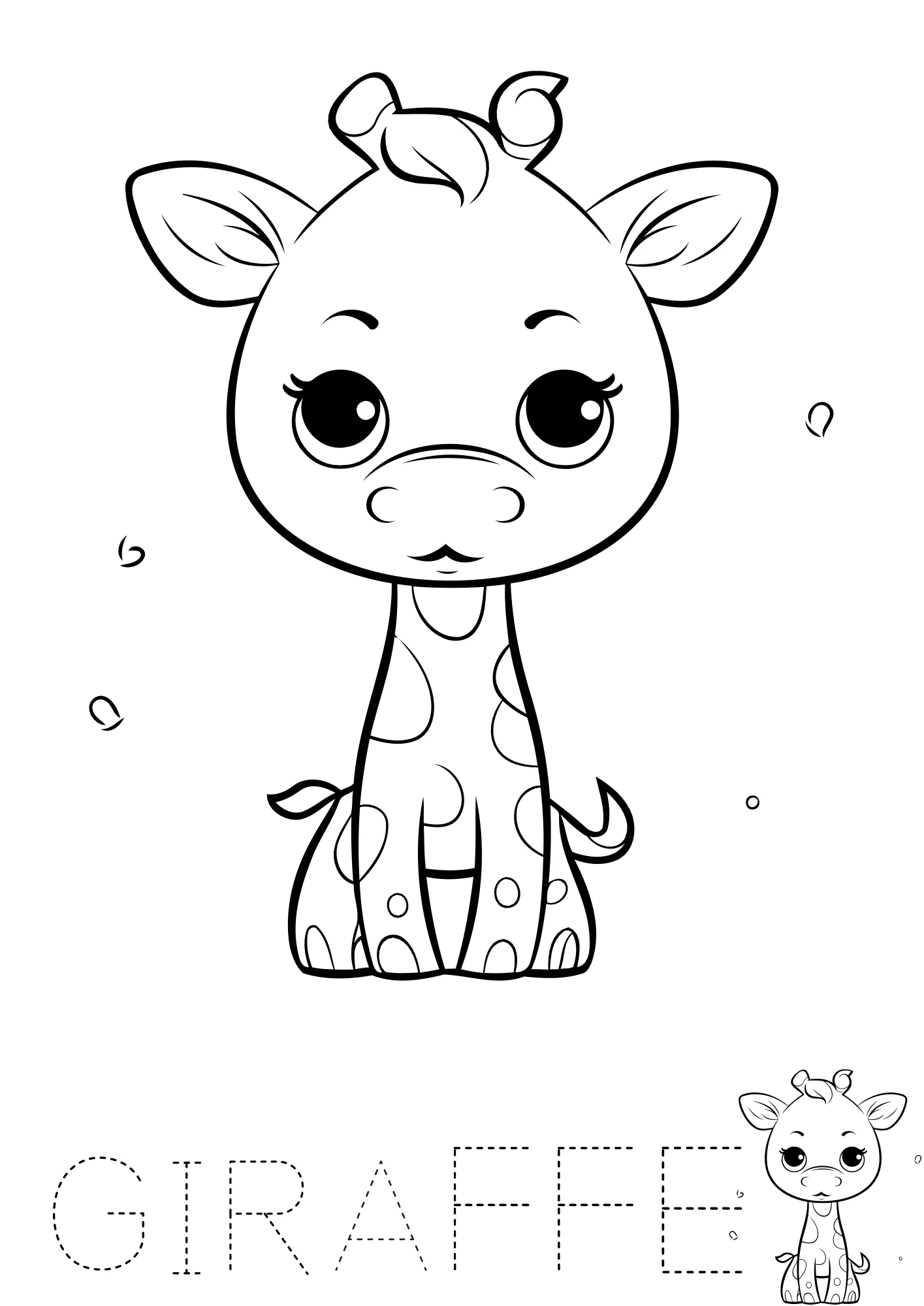
عندما يلوّن الطفل صورة حيوان، ثم يتتبع اسمه بالإنجليزية، فإنه يُشغّل في وقت واحد: المهارة الحركية، والتركيز البصري، والذاكرة اللغوية. هذا التكامل يجعل التعلم تجربة حسية شاملة، ويزيد من احتمالية تذكّر المعلومة على المدى الطويل مقارنة بالحفظ التقليدي.
نصائح عملية لأولياء الأمور
1. اختر كتبًا أو أوراق عمل تجمع بين الصورة والكلمة والتتبع في تصميم واحد.
2. ابدأ بجلسات قصيرة (10-15 دقيقة) لتجنب الملل.
3. شجّع الطفل على نطق اسم الحيوان بصوت عالٍ أثناء التلوين.
4. اجعل الأنشطة تدريجية من الأسهل إلى الأصعب حسب عمر الطفل.
الخاتمة
يمثل الجمع بين التلوين والتتبع وتعلم أسماء الحيوانات بالإنجليزية استثمارًا تعليميًا بسيطًا لكنه عميق الأثر في بناء مهارات الطفل الأساسية. إنها ليست مجرد أنشطة ترفيهية، بل لبنات حقيقية لتنمية طفل واثق، مركّز، وقادر على التعلم بمتعة.
https://drive.google.com/file/d/1pViYCFDqi8opqTVvhAD2j9PCHbkXP5xc/view?usp=drivesdk حمل الأن صور تلوين لطفلك واجعله يستثمر وقته بعيدا عن الهاتف بتلوين مفيد وتتبع للنقاط والتعرف على أسماء الحيوانات باللغة الانجليزية
تابع جديد Math Nest
اختر إشعارات الموقع أو البريد أو الاثنين. الزائر يقدر يشترك ببريده دون تسجيل حساب.
الإبلاغ عن المقال
لو لاحظت مشكلة في المحتوى، أرسلها لفريق المراجعة. لن تظهر بياناتك لكاتب المقال أو للقراء.
تعذّر إرسال البلاغ الآن. حاول مرة أخرى لاحقًا.
سجّل الدخول لإرسال بلاغ


النقاش
التعليقات (0)
فكرة تضيفها، أو سؤال يفتح حوارًا.
الرجاء تسجيل الدخول لتتمكن من التعليق