Why Learning Multiplication Tables Is One of the Most Important Skills Every Child Needs
Why Learning Multiplication Tables Is One of the Most Important Skills Every Child Needs
Many children think multiplication tables are just another school assignment. Parents often see them as a list of numbers that must be memorized before the next math test. However, the truth is very different.
Learning multiplication is one of the most valuable life skills a child can develop. It strengthens logical thinking, builds confidence, improves problem-solving abilities, and prepares children for everyday situations that go far beyond the classroom.
The way multiplication is taught also plays a major role. Traditional memorization is no longer enough. Today’s children learn best when they are engaged, challenged, and having fun.
Multiplication Is the Foundation of Future Mathematics
Every advanced math topic depends on multiplication.
Children who understand multiplication tables find it much easier to learn:
- Division
- Fractions
- Decimals
- Percentages
- Algebra
- Geometry
- Mental Math
Without a strong multiplication foundation, students often struggle with more complex mathematical concepts as they grow older.
Multiplication Helps Children in Daily Life
Many parents ask, “Will my child really use multiplication outside school?”
The answer is yes—almost every day.
Children use multiplication when they:
- Calculate shopping costs.
- Compare prices and discounts.
- Measure ingredients while cooking.
- Manage pocket money.
- Estimate travel distances and time.
- Organize collections or groups of objects.
- Play strategy and board games.
- Understand sports statistics.
Even adults rely on multiplication constantly without realizing it.
Multiplication Builds Faster Thinking
When multiplication facts become automatic, the brain spends less energy on simple calculations and more energy on solving complex problems.
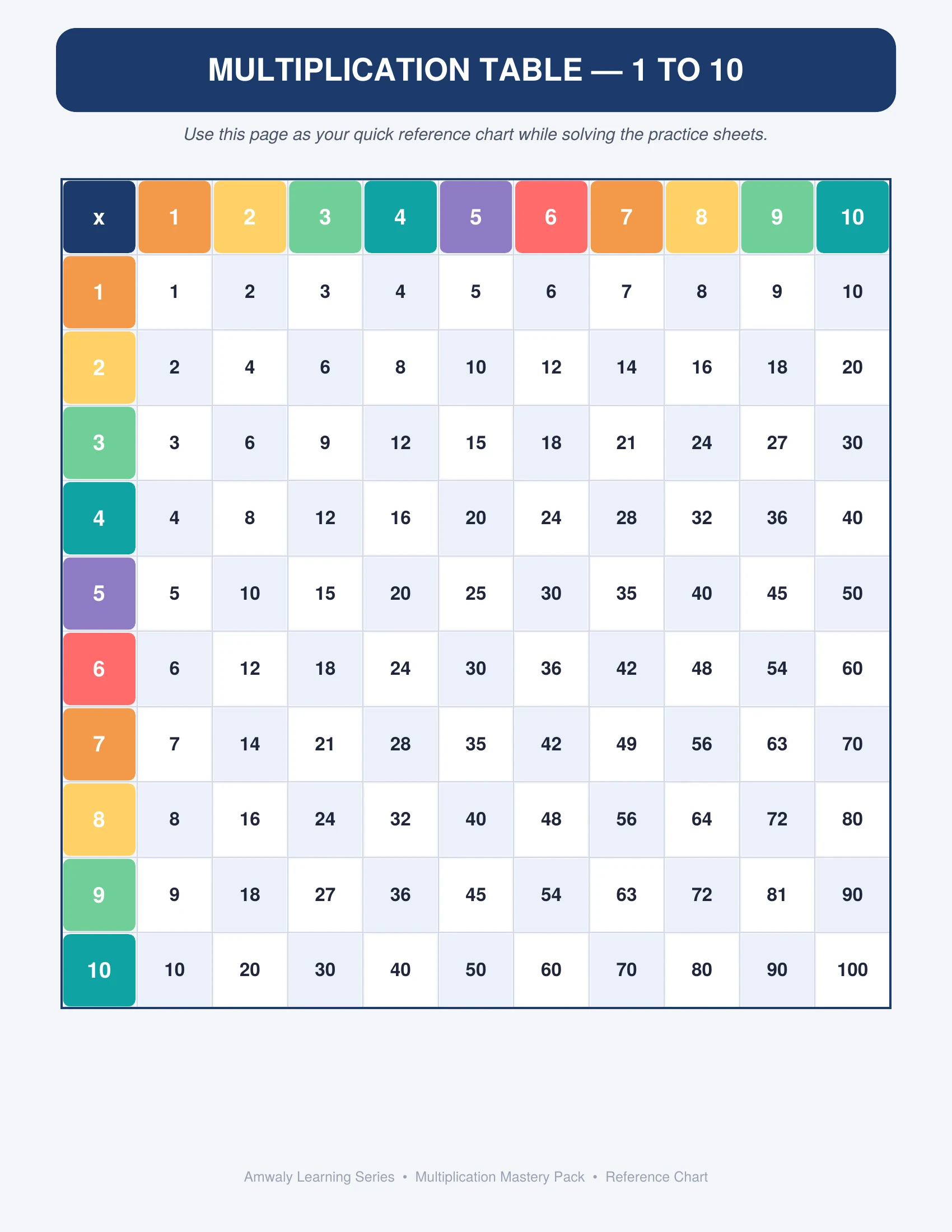
Instead of stopping to calculate 8 × 7 every time, children immediately know the answer.
This improves:
- Critical thinking
- Mental calculation
- Concentration
- Decision-making
- Academic performance
In other words, multiplication trains the brain to think more efficiently.
Why Traditional Memorization Often Fails
For many years, students were expected to repeat multiplication tables until they memorized them.
Although memorization has some value, relying on it alone can create frustration.
Children may remember answers for a short time but quickly forget them because they never truly understood how multiplication works.
When learning becomes stressful, motivation disappears.
That is why education today is shifting toward understanding before memorization.
Modern Teaching Strategies Make Multiplication Fun
Great teachers know that children learn best through experience.
Instead of asking students to repeat numbers over and over, they create meaningful activities that make multiplication enjoyable.
Some highly effective strategies include:
Interactive Games
Board games, digital quizzes, and classroom competitions encourage children to practice without feeling pressured.
Visual Learning
Arrays, number lines, colorful charts, and manipulatives help children see multiplication rather than simply memorize it.
Story-Based Math
Turning multiplication problems into short stories makes abstract numbers meaningful and easier to remember.
Hands-On Activities
Building groups with blocks, counters, or everyday objects allows children to discover multiplication naturally.
Technology and Educational Apps
Interactive apps provide immediate feedback, celebrate progress, and adapt to each child’s learning pace.
Children often don’t realize they’re practicing math because they’re having fun.
The Teacher’s Role Has Changed
Today’s teachers are no longer just instructors.
They are motivators, designers of learning experiences, and guides who help children build confidence.
An effective teacher:
- Encourages curiosity.
- Celebrates small achievements.
- Uses games and creative activities.
- Explains concepts in multiple ways.
- Creates a positive learning environment.
When children feel safe to make mistakes, they become more willing to explore and learn.
Parents Play an Important Role Too
Learning multiplication should not stop when the school day ends.
Parents can reinforce learning by making multiplication part of everyday life.
Simple activities include:
- Counting objects together.
- Playing multiplication card games.
- Asking quick mental math questions during car rides.
- Cooking using doubled or tripled recipes.
- Rewarding effort rather than perfection.
Just a few minutes of enjoyable practice each day can make a significant difference.
Learning Should Feel Like an Adventure
Children remember joyful experiences much longer than stressful lessons.
When multiplication becomes a game instead of a challenge, children naturally become more motivated.
A child who enjoys learning develops confidence—not only in mathematics but also in tackling new challenges throughout life.
Final Thoughts
Multiplication tables are much more than numbers on a classroom wall. They are a powerful tool that supports academic success, strengthens logical thinking, and prepares children for real-life situations.
By replacing outdated memorization methods with engaging, interactive teaching strategies, educators and parents can transform multiplication into an exciting journey of discovery.
When children understand multiplication instead of simply memorizing it, they gain a skill that will benefit them for the rest of their
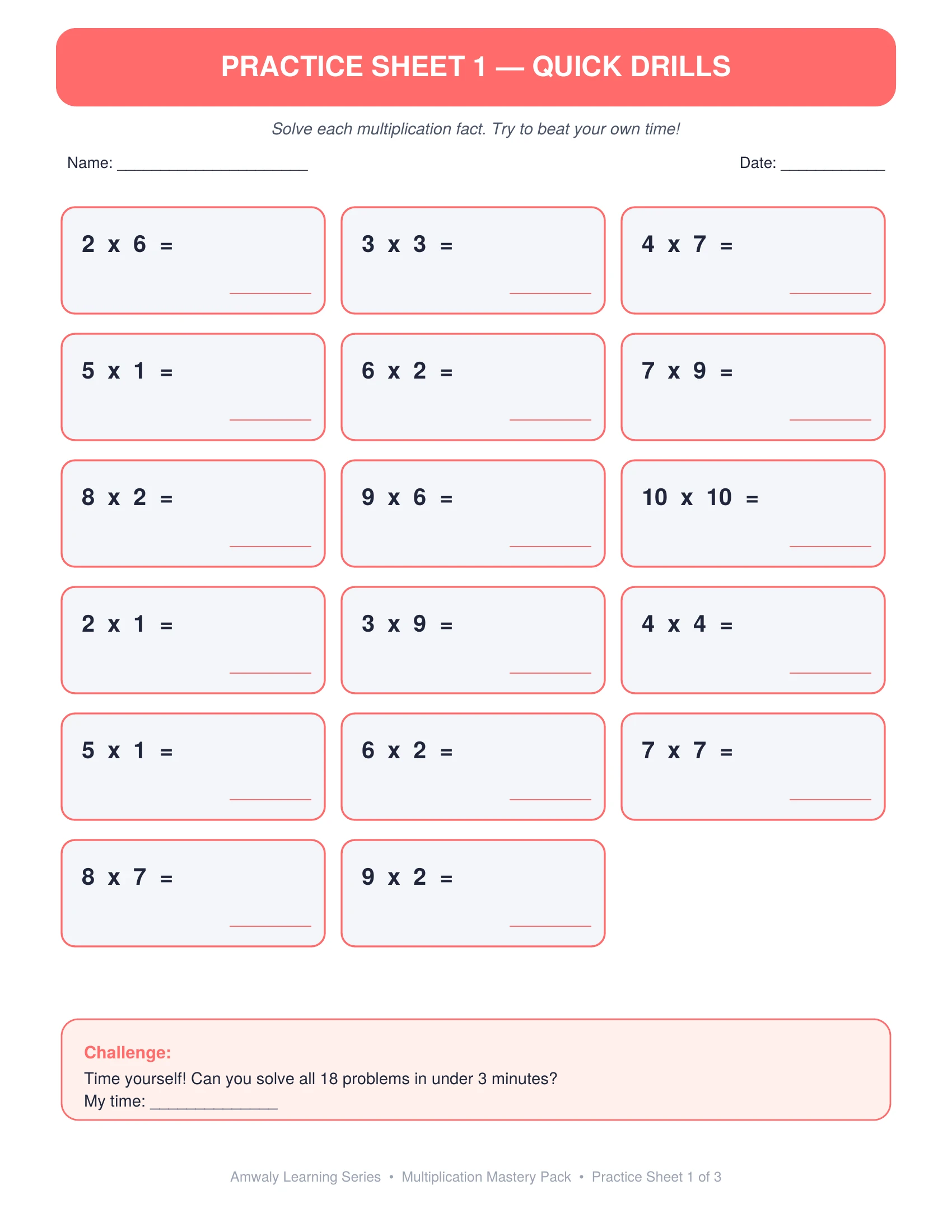
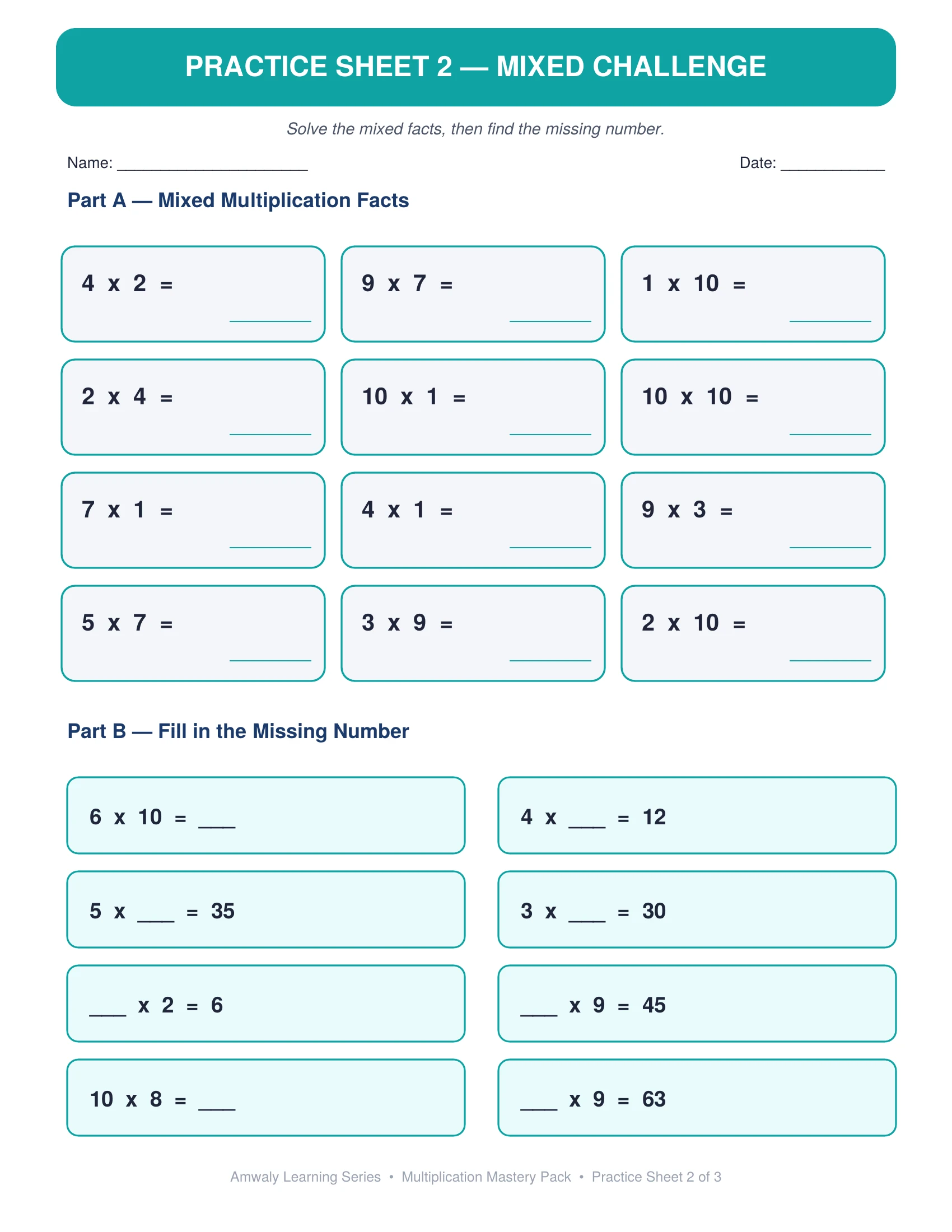
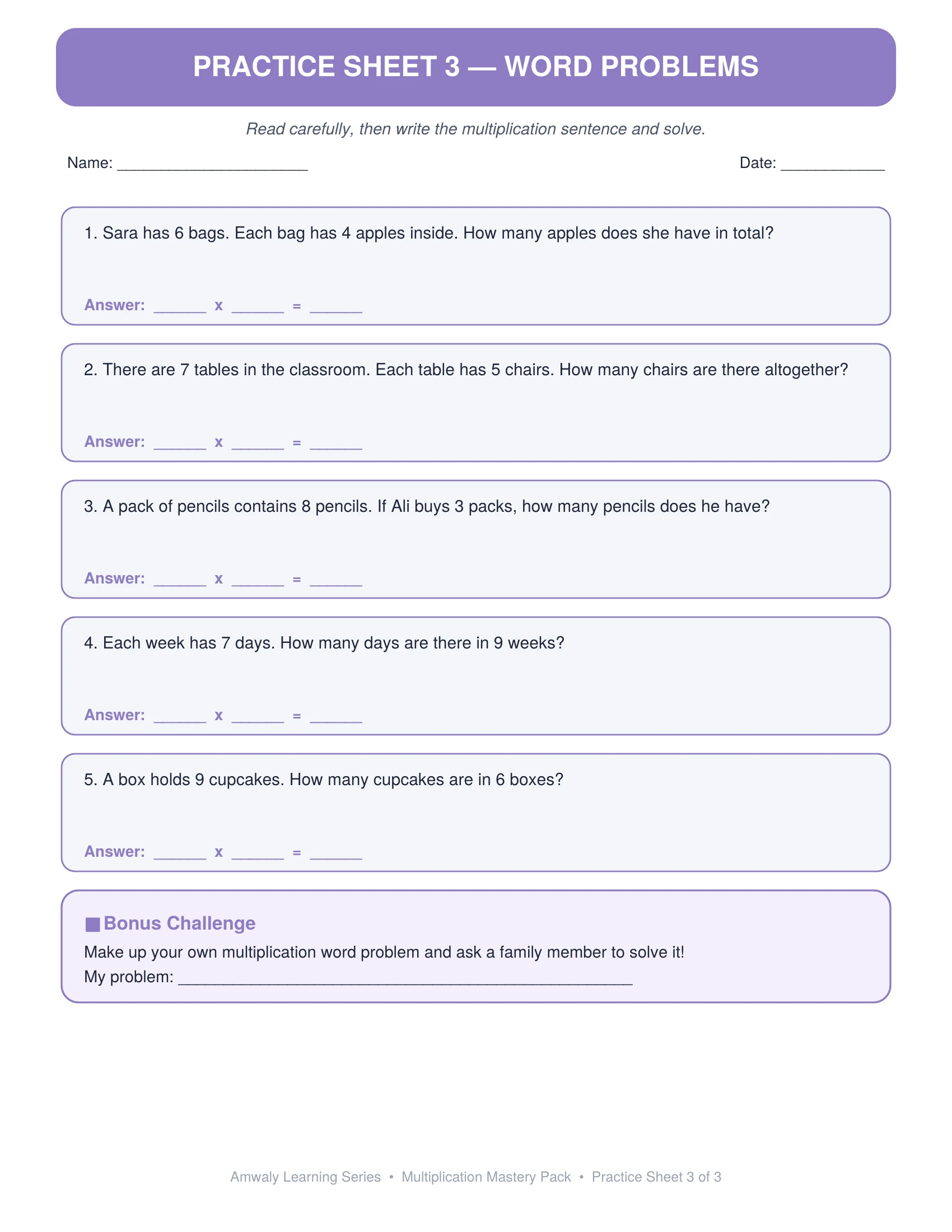
How do you help children enjoy learning multiplication? Share your favorite teaching strategy in the comments below!